Millions of households across the United Kingdom continue to feel the pressure of rising living costs, from energy bills and food prices to housing and everyday essentials. In response, financial support measures have remained a key focus for policymakers, particularly for those on low incomes or receiving benefits.
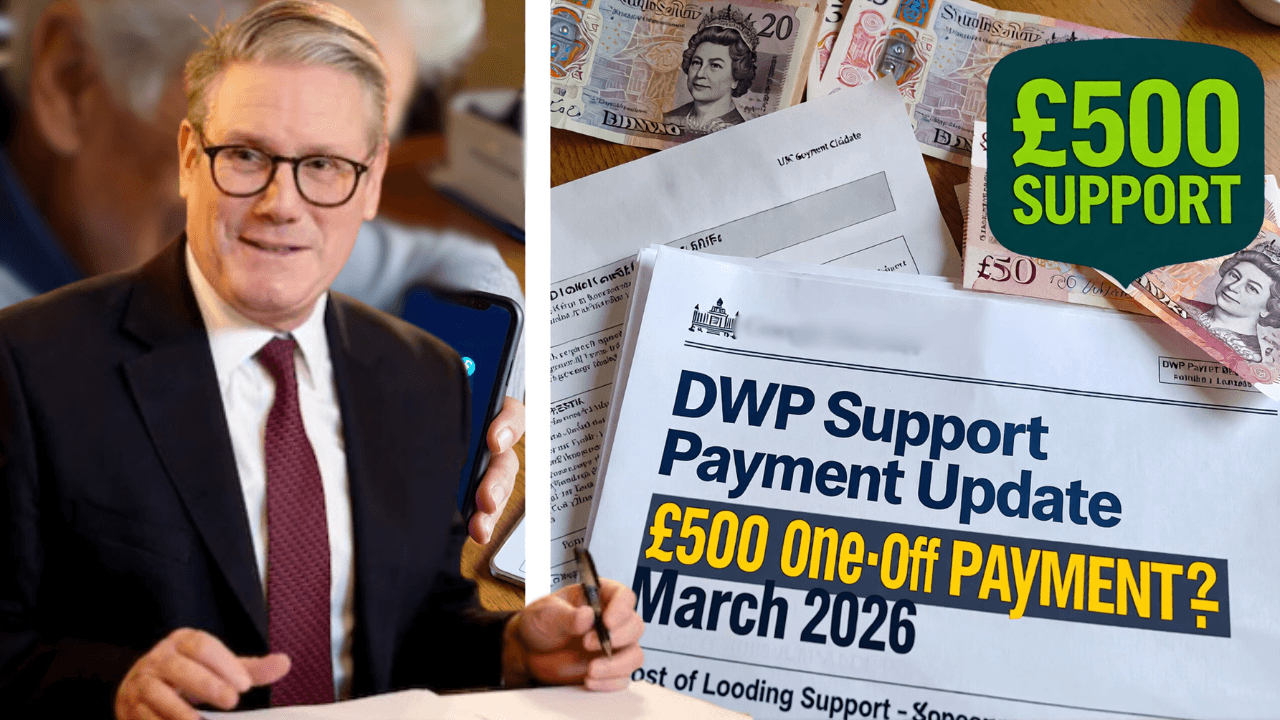
Recently, attention has turned to reports of a £500 one‑off support payment for March 2026, which could provide timely relief for eligible individuals and families. While such payments often generate headlines, understanding how they work, who qualifies and when payments are made is essential.
The support is typically administered by the Department for Work and Pensions, which oversees a wide range of welfare programmes, including Universal Credit and other income‑related benefits.
This article explains the context behind the £500 payment, how eligibility is determined and what recipients should expect.
Why one‑off support payments are introduced
One‑off payments are usually introduced during periods of financial pressure to help households manage short‑term cost increases.
In recent years, rising inflation has affected essential expenses such as:
Energy bills
Groceries
Transport costs
Housing payments
To help offset these pressures, the government has introduced targeted support payments aimed at those most in need.
These payments are not permanent increases to benefits but are designed to provide temporary relief during challenging economic conditions.
What the £500 support payment refers to
The £500 payment being discussed is typically linked to broader cost‑of‑living support measures.
Rather than being a universal payment for everyone, it is usually targeted at individuals receiving certain benefits or meeting specific income criteria.
The exact structure of the payment may vary depending on policy decisions, but it is generally intended to support households facing financial strain.
In many cases, such payments are issued automatically to eligible recipients.
Who could be eligible for the payment
Eligibility for one‑off support payments is usually based on receiving certain government benefits.
Common qualifying benefits may include:
Universal Credit
Income‑related Employment and Support Allowance
Income Support
Pension Credit
Housing Benefit
Eligibility may also depend on being entitled to these benefits during a specific qualifying period.
This means that not everyone receiving benefits will automatically qualify — timing and individual circumstances can play an important role.
How payments are usually delivered
One of the key advantages of one‑off support payments is that they are often issued automatically.
This means that eligible recipients typically do not need to apply separately.
Payments are usually made directly into the same bank account used for regular benefit payments.
This ensures that support reaches households quickly and efficiently.
The Department for Work and Pensions manages the distribution process and ensures that payments are delivered securely.
Expected payment dates in March 2026
While exact dates can vary depending on individual circumstances, one‑off payments are usually made within a defined window.
For a March 2026 payment, recipients can generally expect:
Payments issued over several weeks
Staggered deposits depending on benefit cycles
Notifications through official letters or online accounts
It is important to note that not all recipients will receive the payment on the same day.
Delays can occur depending on processing times and banking systems.
How the payment can help households
For many households, a £500 payment can make a meaningful difference.
It may help cover essential expenses such as:
Energy bills during colder months
Food and household supplies
Outstanding bills or debts
Transport and daily costs
While the payment is temporary, it can provide breathing space for households managing tight budgets.
The role of Universal Credit and other benefits
Many recipients of one‑off payments are also receiving regular benefits such as Universal Credit.
These ongoing payments form the foundation of financial support for low‑income households.
Additional one‑off payments are designed to complement these benefits rather than replace them.
This layered approach helps ensure that support is both consistent and responsive to changing economic conditions.
Why not everyone will receive the payment
A common misunderstanding is that support payments apply to everyone.
In reality, eligibility is usually limited to those meeting specific criteria.
Factors that may affect eligibility include:
Income level
Type of benefit received
Timing of benefit entitlement
Household circumstances
Because of this, two individuals in similar situations may receive different levels of support.
Avoiding misinformation about payments
Whenever financial support is announced, it often leads to confusion due to varying reports online.
Some headlines may suggest that payments are guaranteed for all residents, which is rarely the case.
For accurate information, it is best to rely on official updates from the Department for Work and Pensions.
This ensures that individuals understand whether they qualify and what to expect.
What to do if you think you qualify
If you believe you may be eligible for the £500 payment, there are a few simple steps you can take.
First, check whether you are receiving a qualifying benefit during the relevant period.
Next, monitor your bank account and official communications for updates.
If you do not receive the payment but believe you should have, you can contact support services for clarification.
Keeping personal details and benefit records up to date can also help avoid delays.
The wider impact of support payments
One‑off payments do more than just help individual households.
They can also support the wider economy by increasing spending on essential goods and services.
This can benefit local businesses and contribute to economic stability.
At the same time, targeted support ensures that resources are directed towards those who need them most.
Looking ahead
As economic conditions continue to evolve, additional support measures may be introduced in the future.
Governments regularly review policies to ensure that financial assistance remains effective and relevant.
For households receiving benefits, staying informed about updates is essential to make the most of available support.
Key points to remember
The £500 payment is a one‑off support measure aimed at helping with living costs
Eligibility is usually linked to receiving specific benefits
Payments are often made automatically to eligible recipients
Distribution may take place over several weeks
Official information provides the most reliable guidance
Final thoughts
The confirmation of a £500 one‑off support payment for March 2026 highlights the ongoing efforts to support households during challenging economic times. While not everyone will qualify, those who do may find the payment provides valuable financial relief.
By understanding how eligibility works and staying updated through the Department for Work and Pensions, individuals can ensure they receive the support available to them.
In a time when every pound counts, even a single payment can make a meaningful difference in helping households manage everyday expenses and maintain financial stability.