Driving remains an important part of everyday life for millions of people across the United Kingdom. For older adults in particular, having access to a car can make a huge difference in maintaining independence, staying socially active and accessing essential services such as healthcare and shopping.
However, as drivers grow older, the rules surrounding driving licences can change. The UK has long had systems in place to ensure that drivers remain safe and capable behind the wheel as they age. These rules are designed not to restrict independence but to ensure that road safety standards remain high for everyone.
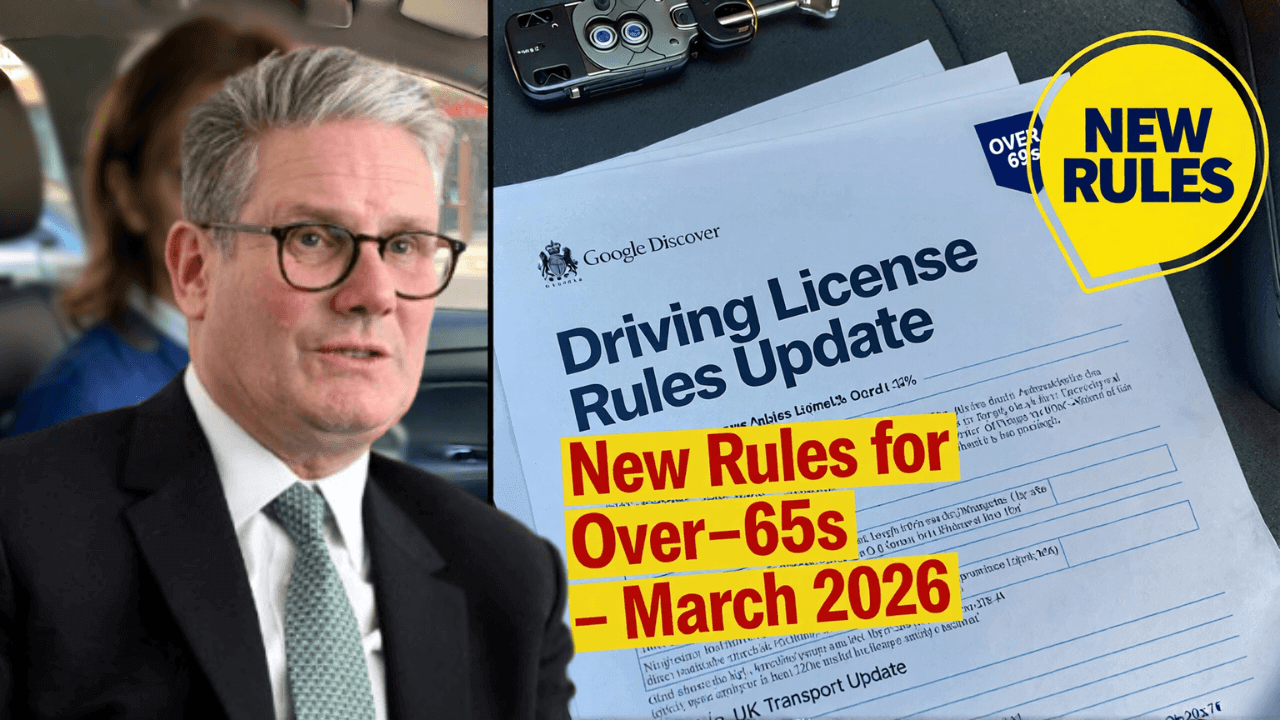
From March 2026, updated guidance and procedures regarding driving licences for older motorists have attracted significant public attention. The changes focus on ensuring that drivers aged 65 and above remain aware of the steps needed to maintain a valid licence and continue driving legally.
Understanding how the system works, when licences must be renewed and what responsibilities older drivers have can help ensure that motorists remain confident and compliant on the road.
How the UK driving licence system works
In the United Kingdom, driving licences are issued and managed by the Driver and Vehicle Licensing Agency. This organisation is responsible for maintaining driver records, issuing licences and ensuring that drivers meet the legal requirements for operating vehicles.
A standard driving licence allows individuals to operate vehicles once they have passed the necessary driving tests and meet the required health and safety standards.
However, unlike some other countries, the UK does not issue lifetime driving licences. Drivers are required to renew their licences periodically to ensure that personal information and medical conditions remain up to date.
These renewal rules become particularly important as drivers reach older age groups.
Why rules exist for older drivers
Age alone does not determine whether someone can drive safely. Many people continue driving well into their seventies and eighties without difficulty.
However, certain health conditions become more common as people grow older. Vision changes, slower reaction times and certain medical conditions may affect driving ability in some cases.
For this reason, the UK has introduced renewal procedures to ensure that drivers regularly confirm their ability to drive safely.
These systems are designed to balance two important priorities: maintaining road safety while allowing older adults to remain independent.
The role of licence renewal for older drivers
One of the key aspects of driving rules for older motorists involves licence renewal.
When drivers reach a certain age, they are required to renew their driving licence more frequently than younger drivers. This process helps ensure that important details such as medical conditions and eyesight requirements are regularly reviewed.
In the UK, the most significant milestone occurs when drivers reach the age of 70. At this point, licences must typically be renewed every three years.
Although the March 2026 updates do not fundamentally change this long‑standing rule, the government has emphasised awareness around the responsibilities of older drivers.
What the March 2026 update means
The updates coming into focus from March 2026 mainly relate to improved awareness and administrative procedures for drivers aged 65 and above.
Authorities want to ensure that drivers approaching the renewal age are aware of the steps they will need to take in the coming years.
The goal is to help drivers prepare early rather than facing unexpected issues when renewal deadlines arrive.
In practice, the update highlights:
Greater awareness of licence renewal requirements
Clearer communication about health declarations
Encouragement for regular eyesight checks
Improved guidance on reporting medical conditions
These measures aim to make the process smoother for drivers while maintaining safety standards on UK roads.
Medical conditions and driving
One important responsibility for drivers in the UK is declaring certain medical conditions that could affect driving ability.
The Driver and Vehicle Licensing Agency requires drivers to report medical conditions that might influence their ability to drive safely.
These can include conditions affecting vision, mobility, neurological health or reaction times.
Failing to report a relevant medical condition could potentially lead to penalties or insurance complications.
However, many people with medical conditions can continue driving safely once appropriate assessments have been carried out.
The importance of eyesight checks
Good eyesight is one of the most important requirements for safe driving.
Drivers must be able to read a number plate from a specified distance and maintain sufficient visual clarity to react to road conditions.
Regular eye tests are therefore strongly recommended, particularly for older drivers.
Many opticians advise having eyesight checked at least every two years, although some drivers may benefit from more frequent tests.
Ensuring that vision remains adequate helps drivers maintain confidence and safety on the road.
Renewing a driving licence after 70
When a driver reaches the age of 70, they must renew their licence to continue driving legally.
The renewal process is generally straightforward and can often be completed online through official government services.
Drivers will usually need to confirm their personal details and declare whether they have any medical conditions that may affect their ability to drive.
In most cases, there is no fee for renewing a licence after the age of 70.
Once renewed, the licence is typically valid for three years before another renewal is required.
Why driving remains important for older adults
For many older people, driving is closely linked to independence and quality of life.
Having access to a car allows individuals to travel when they choose, rather than relying solely on public transport or assistance from others.
This can be particularly important for those living in rural areas where public transport options may be limited.
Driving also allows older adults to maintain social connections, attend appointments and participate in community activities.
Ensuring that safe drivers can continue using the roads therefore supports wellbeing as well as mobility.
Support for older drivers
Many organisations across the UK provide guidance and support to older drivers.
These programmes may include voluntary driving assessments, refresher courses and safety advice.
Such initiatives are designed to help drivers remain confident while adapting to any changes in their abilities.
Taking part in a refresher course can sometimes improve driving skills and help individuals feel more comfortable behind the wheel.
For some people, these programmes also provide reassurance that they remain capable of driving safely.
Avoiding misinformation about driving rules
Whenever updates to government policies appear online, misunderstandings can sometimes spread quickly.
Some reports may exaggerate rule changes or suggest that new restrictions have been introduced when this is not the case.
Drivers should therefore rely on official sources when checking information about licence rules.
Government websites and official guidance provide the most accurate information about driving requirements.
Checking these sources helps ensure that drivers understand their responsibilities clearly.
Key points older drivers should remember
Drivers in the UK must renew their licence regularly after reaching age 70
Licence renewals usually occur every three years for older motorists
Medical conditions that affect driving must be reported to the DVLA
Regular eyesight tests help ensure safe driving
Official sources provide the most accurate guidance about driving rules
Final thoughts
The updated guidance surrounding driving licences for people aged 65 and over highlights the importance of maintaining awareness about licence renewal and driver responsibilities. While the core rules of the UK driving system remain largely unchanged, the focus on awareness ensures that older drivers are prepared for future renewal requirements.
For many older residents, driving remains a key part of everyday life. By staying informed about licence rules and maintaining good health and eyesight, motorists can continue enjoying the freedom and independence that driving provides while ensuring safety on UK roads.