For many people across the United Kingdom, disability benefits are not just financial support—they are essential to maintaining independence, dignity and quality of life. Whether it’s help with daily tasks, mobility or managing long-term conditions, these benefits play a crucial role in everyday living.
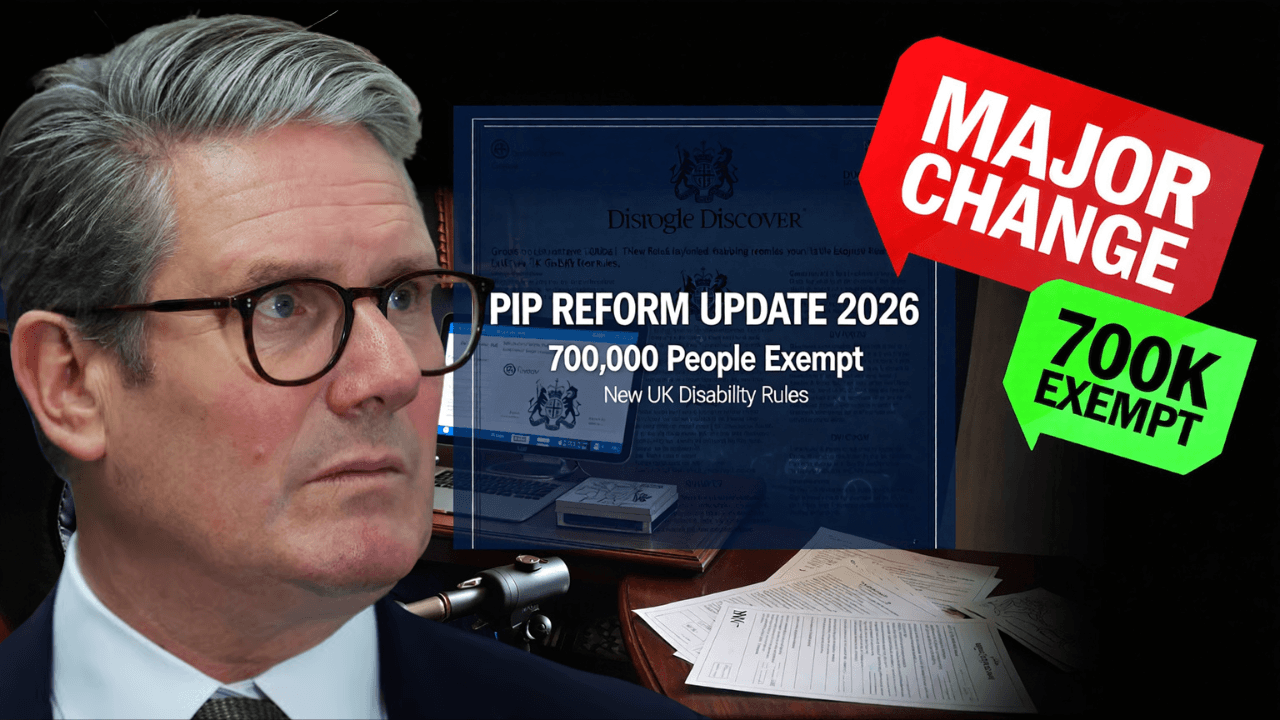
So when news breaks about a major overhaul to the system, it naturally attracts attention. Recent discussions around new Personal Independence Payment (PIP) rules that could exempt up to 700,000 people from reassessments have sparked both hope and curiosity.
But what does this actually mean? Who will benefit? And how could these changes reshape the future of disability support in the UK?
Let’s explore everything in a clear and practical way.
What PIP is and why it matters
Personal Independence Payment is a benefit designed to help people with the extra costs of living with a long-term health condition or disability.
It is managed by the Department for Work and Pensions and is not based on your income or savings.
PIP is made up of two components:
Daily Living component
Mobility component
Each component is paid at either a standard or enhanced rate depending on how your condition affects your life.
For many people, this support is essential for covering everyday costs and maintaining independence.
What the proposed overhaul is about
The proposed changes linked to Keir Starmer focus on reducing the need for repeated reassessments for certain claimants.
In simple terms, this means:
Some people may no longer need regular reviews
Long-term conditions could be recognised more permanently
The system may become less stressful and more stable
The headline figure suggests that around 700,000 people could be affected by these changes.
Why the system is being reviewed
There have been ongoing concerns about how disability benefits are assessed.
Common issues raised include:
Frequent reassessments causing stress
Inconsistent decisions
Long waiting times
Administrative complexity
For many claimants, the process itself can feel overwhelming, especially when dealing with a long-term condition.
The proposed overhaul aims to address these concerns.
What “exempt from reassessment” means
One of the most significant aspects of the proposed changes is the idea of exemption from reassessment.
This could mean:
You won’t need to attend regular reviews
Your condition is recognised as long-term or unlikely to change
Your payments continue without repeated checks
This can provide much-needed stability for people with lifelong conditions.
Who is likely to benefit
The changes are expected to focus on people with conditions that are:
Severe
Long-term
Unlikely to improve
This may include individuals with:
Chronic illnesses
Permanent disabilities
Degenerative conditions
For these groups, repeated reassessments often provide little value and can add unnecessary stress.
What this means for existing claimants
If you already receive Personal Independence Payment, the changes could make a big difference.
You may experience:
Fewer assessments
Greater financial stability
Less administrative burden
However, eligibility will still depend on your individual circumstances.
Will new applicants benefit too
New applicants may also benefit from the updated approach.
If your condition is considered long-term, you may:
Receive longer award periods
Avoid frequent reassessments
Experience a smoother application process
This could make the system more supportive from the start.
How assessments may change
While assessments are not being removed entirely, they may become more targeted.
Possible changes include:
Focusing reviews only where necessary
Using medical evidence more effectively
Reducing unnecessary face-to-face assessments
This could improve both efficiency and fairness.
The impact on mental health
One of the most important aspects of this overhaul is its potential impact on mental health.
For many claimants, reassessments can cause:
Anxiety
Stress
Uncertainty
Reducing the frequency of these reviews can help people feel more secure and supported.
Addressing common concerns
There are often concerns when changes to benefits are announced.
Some people worry that:
Support will be reduced
Eligibility will become stricter
Payments will be cut
However, the proposed changes focus more on improving the process rather than reducing support.
The financial impact
While the main focus is on assessments, the changes could also have financial implications.
For claimants, this may mean:
More consistent payments
Fewer disruptions
Better financial planning
For the government, it may reduce administrative costs over time.
What this means for the wider system
The overhaul could lead to a more efficient and compassionate system.
Potential benefits include:
Faster decision-making
Reduced backlog of cases
Improved claimant experience
This could help restore confidence in the system.
The role of medical evidence
Medical evidence is likely to play a bigger role in future assessments.
This means:
Greater reliance on healthcare professionals
Less need for repeated evaluations
More accurate decisions
For many claimants, this could simplify the process.
What you should do now
If you are currently receiving PIP or planning to apply, there are a few steps you can take.
Keep your medical records up to date
Stay informed about policy changes
Check official updates regularly
Seek advice if needed
Being prepared can help you navigate any changes more easily.
Avoiding misinformation
Whenever benefit changes are discussed, misinformation can spread quickly.
Be cautious of:
Unverified social media posts
Exaggerated headlines
Outdated information
Always rely on accurate and official sources.
The importance of staying informed
The benefits system is constantly evolving.
Staying informed helps you:
Understand your rights
Access the support you’re entitled to
Avoid unnecessary stress
Regular updates can make a big difference.
What this means for families and carers
Families and carers also play an important role.
These changes may:
Reduce the administrative burden on carers
Provide more stability for households
Improve overall quality of life
This can benefit not just individuals, but entire families.
Looking ahead
The proposed changes to PIP are part of a broader effort to modernise the benefits system.
Future developments may include:
Further simplification of processes
Improved digital systems
More personalised support
The aim is to create a system that is both fair and effective.
Key points to remember
Up to 700,000 people may be exempt from reassessments
Changes focus on long-term and severe conditions
The goal is to reduce stress and improve stability
Assessments will still exist but may be more targeted
Staying informed is essential
Final thoughts
The proposed overhaul of disability benefits under Keir Starmer represents a significant shift in how support is delivered. By potentially exempting hundreds of thousands of people from repeated reassessments, the system could become more compassionate, efficient and reliable.
For many claimants, this change is not just about convenience—it’s about dignity, stability and peace of mind.
While details will continue to develop, one thing is clear: the focus is moving towards a more supportive and understanding approach to disability benefits.
And for those who rely on this support every day, that could make all the difference.