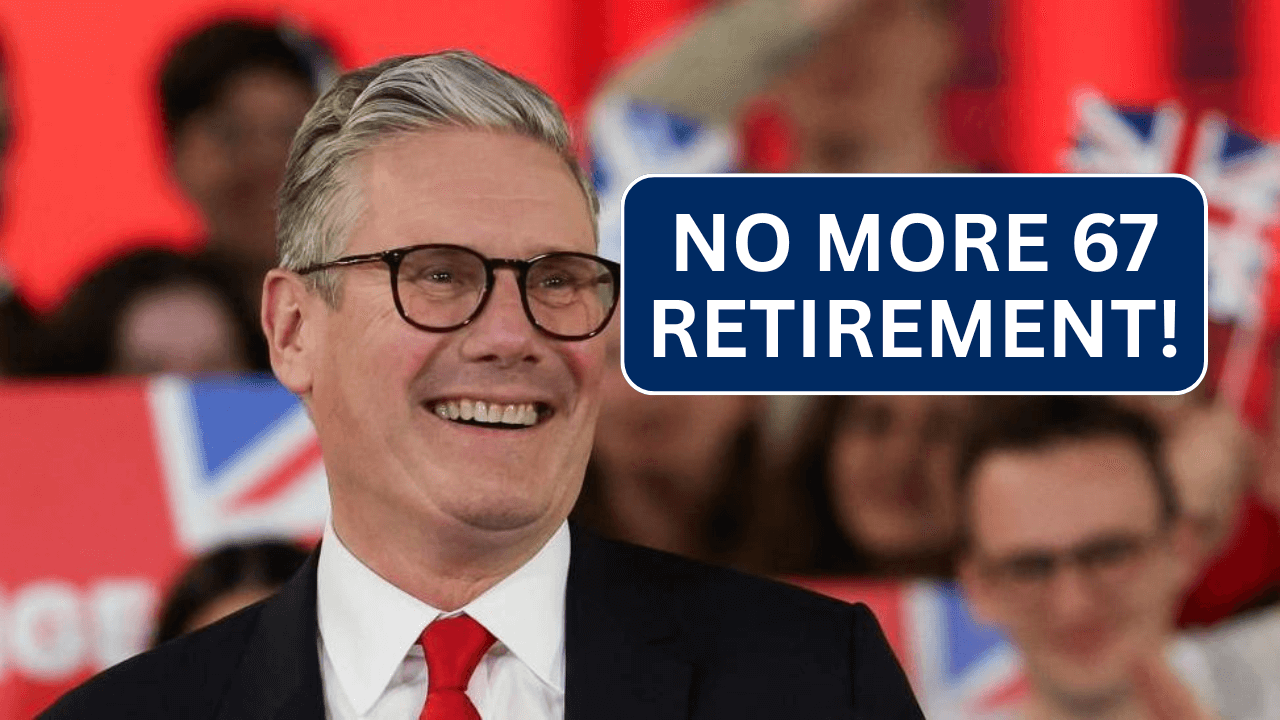
For many people across the United Kingdom, the idea of retiring at 67 has long been seen as a clear milestone—a point where years of work finally give way to a more relaxed and flexible lifestyle. It’s something that workers plan around, build savings toward and look forward to.
However, recent updates and ongoing discussions around the State Pension age have brought a shift in expectations. Headlines suggesting that retirement at 67 is coming to an end have raised important questions about what lies ahead.
So what is actually changing? Will you need to work longer? And how should you prepare for the future?
In this article, we’ll explain everything in a clear and realistic way, helping you understand what this update means and how it may affect your plans.
What the State Pension age really means
The State Pension age is the age at which you can start receiving your government pension. It is set and managed by the Department for Work and Pensions.
It’s important to understand that:
The State Pension age is not a forced retirement age
You can continue working beyond it
You can retire earlier if you have other income
So while it’s often linked with retirement, it doesn’t dictate when you must stop working.
Is retirement at 67 actually ending
The phrase “goodbye to retiring at 67” can sound dramatic, but the reality is more gradual.
The government is not suddenly removing the option to retire at 67. Instead:
The State Pension age is gradually increasing
Future retirees may need to wait longer to claim their pension
The change depends on your date of birth
So for many people, 67 still applies—but not necessarily for future generations.
Why the pension age is increasing
There are several key reasons behind the increase in the State Pension age.
These include:
People are living longer than before
Retirement periods are becoming longer
The number of pensioners is growing
Public spending on pensions is rising
To keep the system sustainable, the government adjusts the age at which pensions can be claimed.
What the new pension age could be
The UK has already outlined plans to increase the State Pension age beyond 67.
This includes:
A planned rise to 68 in the coming years
Possible adjustments to the timeline depending on reviews
Further changes based on economic and demographic factors
These increases are introduced gradually to give people time to prepare.
Who will be affected the most
The impact of these changes depends largely on your current age.
You are more likely to be affected if:
You are in your 30s, 40s or early 50s
You have many years left before retirement
You have not yet reached pension age
If you are already receiving the State Pension, these changes will not affect you.
What this means for people nearing retirement
If you are close to retirement age, the impact may be smaller—but still worth understanding.
You may need to:
Check your exact State Pension age
Adjust your retirement timeline slightly
Review your financial plans
Even a small delay can influence your planning.
Can you still retire at 67
Yes, you can still choose to retire at 67—or even earlier.
However:
You will not receive your State Pension until your eligible age
You will need other income sources
You may rely on savings or private pensions
So retirement age and pension age are not always the same thing.
The role of National Insurance contributions
Your entitlement to the State Pension depends on your National Insurance record.
To receive the full pension, you usually need:
35 qualifying years of contributions
At least 10 years to receive a minimum amount
Changes to pension age do not affect how much you qualify for—but they do affect when you can claim it.
How longer life expectancy affects retirement
People in the UK are living longer, healthier lives.
This means:
Retirement can last decades
Savings need to stretch further
Financial planning becomes more important
The increase in pension age reflects this longer life expectancy.
What this means for your financial planning
With changes to the pension age, planning ahead becomes more important than ever.
You may want to consider:
Building additional savings
Investing for long‑term growth
Reviewing your retirement goals
The earlier you start planning, the more flexibility you will have later.
Additional support available
Even with changes to pension age, support is still available for those who qualify.
This includes:
State Pension
Pension Credit
Housing support
Cost‑of‑living payments
These can help supplement your income in retirement.
Common misunderstandings
There are several misconceptions about the pension age changes.
Some people believe:
Everyone must now work until 70
Retirement at 67 is no longer possible
Changes will happen immediately
In reality, changes are gradual and depend on your individual circumstances.
How to check your State Pension age
If you want to know exactly when you can claim your pension, you should:
Check your official pension forecast
Review your National Insurance record
Use government tools for accurate information
This gives you a clear picture of your timeline.
How this affects everyday life
For most people, these changes will not have an immediate impact on daily life.
However, they may influence:
Long‑term career decisions
Savings habits
Retirement expectations
Understanding the changes helps you stay prepared.
What employers are doing
Many employers are adapting to an ageing workforce.
This may include:
Flexible working arrangements
Part‑time opportunities
Phased retirement options
This helps people transition into retirement more comfortably.
What you should do now
If you’re thinking about retirement, there are a few simple steps you can take.
Check your pension age
Review your savings
Plan for long‑term income
Stay informed about updates
These steps can help you feel more confident about the future.
Avoiding misinformation
With so many headlines online, it’s important to stay cautious.
Be aware of:
Exaggerated claims
Outdated information
Unverified sources
Always rely on accurate and official updates.
Looking ahead
The State Pension system will continue to evolve.
Future changes may include:
Further increases in pension age
Policy updates based on economic conditions
Improved support systems
The goal is to keep the system fair and sustainable.
Key points to remember
Retirement at 67 is not suddenly ending
The State Pension age is increasing gradually
Changes mainly affect younger generations
You can still retire earlier if you plan ahead
Understanding your pension is essential
Final thoughts
The idea of saying goodbye to retiring at 67 reflects a broader shift in how retirement is viewed in the UK. As life expectancy rises and economic pressures grow, the system is evolving to keep pace.
While this may mean working longer for some, it also highlights the importance of planning ahead and understanding your options.
With the right preparation, clear information and a flexible approach, you can still build a retirement that suits your lifestyle—no matter what age you choose to step back from work.